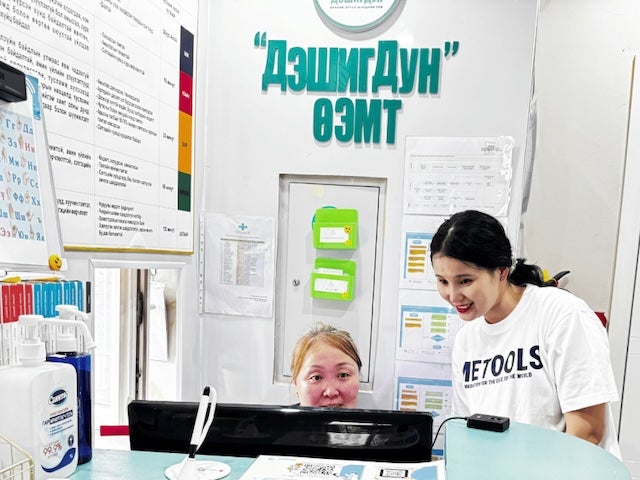
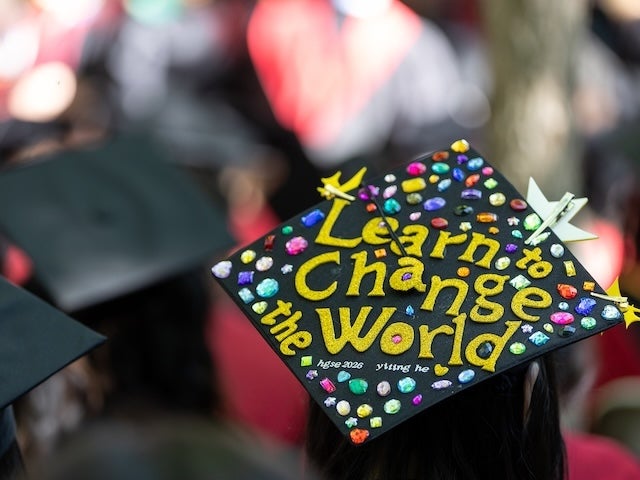
Supported by grants from the Harvard Innovation Labs Navab Social Impact Fellowship Fund, two graduate students applied what they learned at Harvard to help address urgent problems in their home countries.
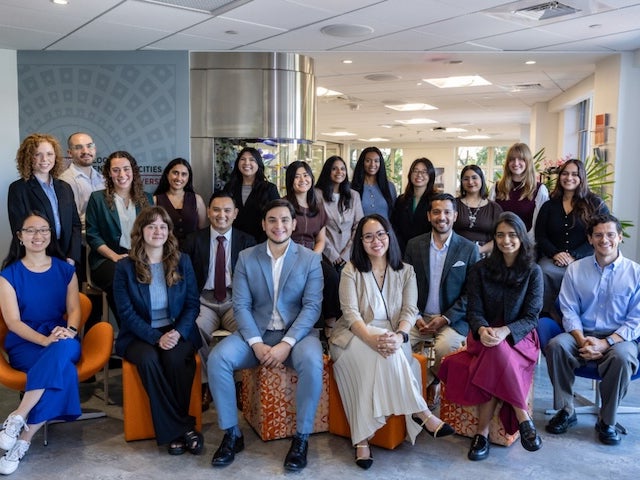
The fifth cohort of Bloomberg Harvard City Hall Fellows, drawn from five Harvard graduate schools, will spend two years inside city hall teams, working across departments and sectors to advance mayoral priorities and improve daily life for residents.
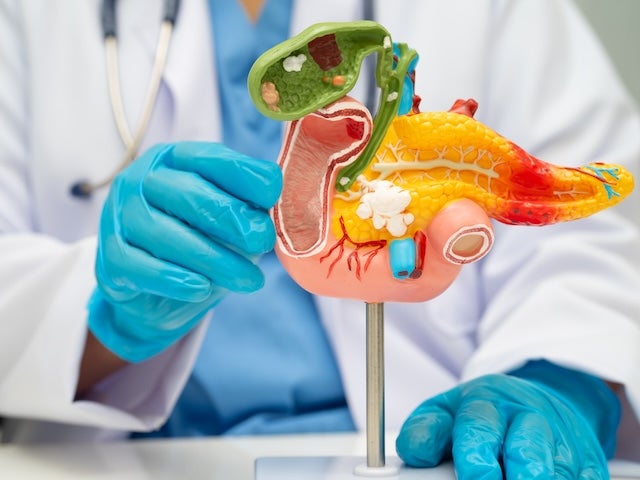
Oncologist Brian Wolpin MD ’00, MPH ’08 says that a new drug for pancreatic cancer has the potential to transform care around this difficult-to-treat disease.
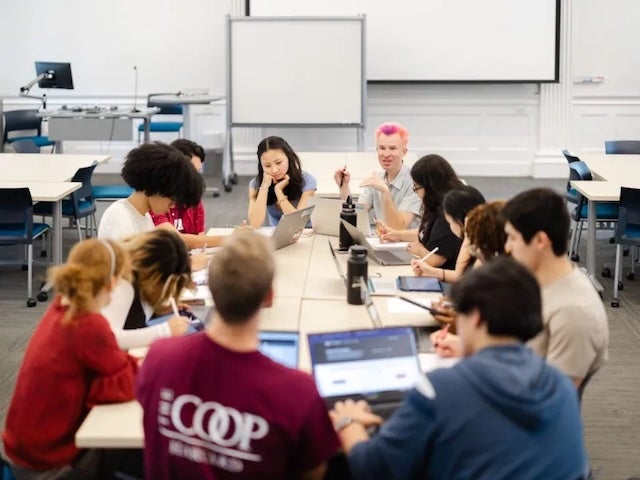
An exhibit at Lamont Library showcases the history and impact of Harvard College's Intellectual Vitality initiative, which aims to foster a spirit of rigor, charity, and open exploration in classrooms, student organizations, and social interactions.
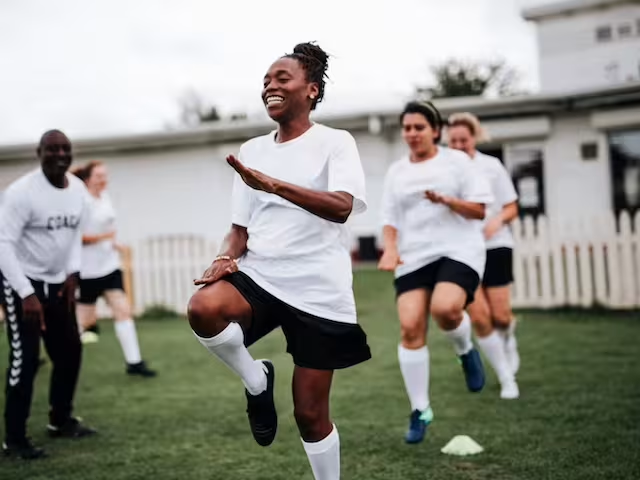
Harvard Chan School researchers have launched a long-term study focused on the physical and mental health of elite women athletes, as well as their post-athletic career prospects and financial security.
The Harvard Graduate School of Education's new Initiative on Superintendent as Civic Leader aims to build the capacity of school superintendents at a time where their roles are increasingly challenging and politically complex.
A multiyear study led by Harvard psychologist Matthew Nock forecasted most suicide attempts a week before they occurred—a marked leap beyond existing prediction models.
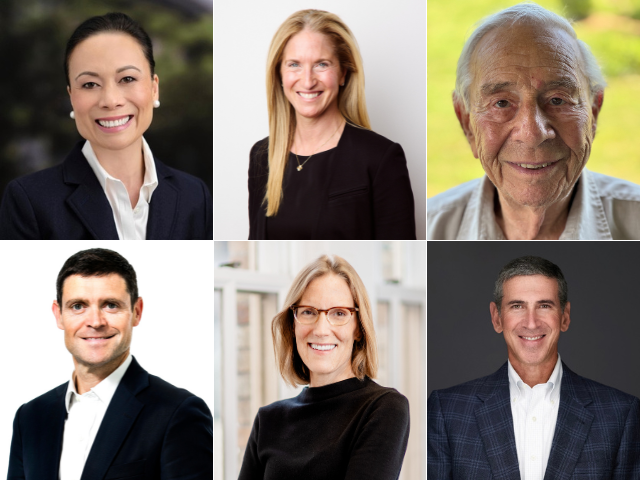
The Harvard Alumni Association (HAA) is honoring six alumni with the 2026 John P. Reardon Jr. Alumni Award in recognition of their outstanding service to the University.
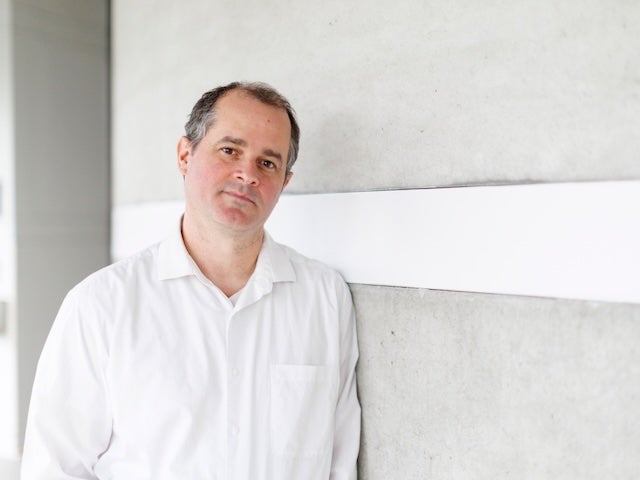
Tingley will lead the University’s efforts in pedagogical innovation, digital education, and exploring the role of technology in supporting teaching, lifelong learning, and research on campus and around the world.
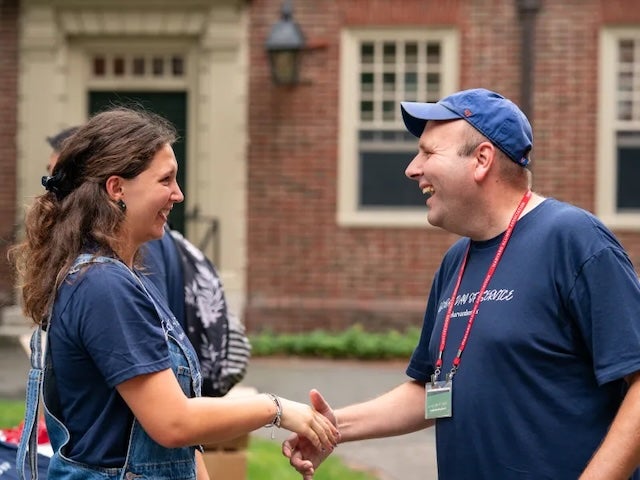
More than 1,000 students, alumni, staff, and faculty participated in Harvard's annual Global Day of Service, volunteering for over 35 nonprofit organizations.
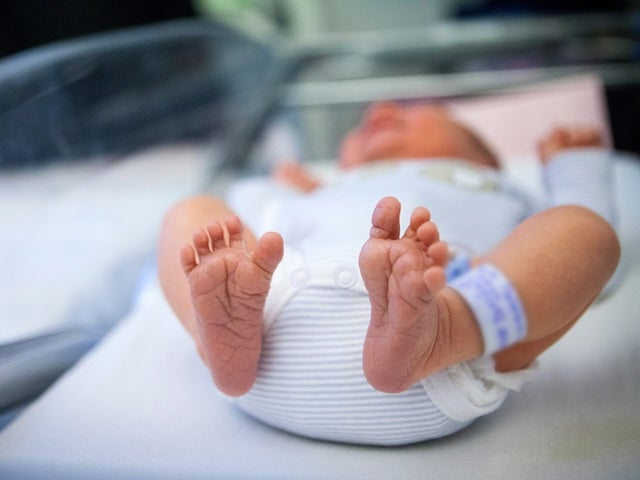
New research suggests genetic testing added to routine newborn screening could identify some babies at increased risk of developing cancer before symptoms appear.
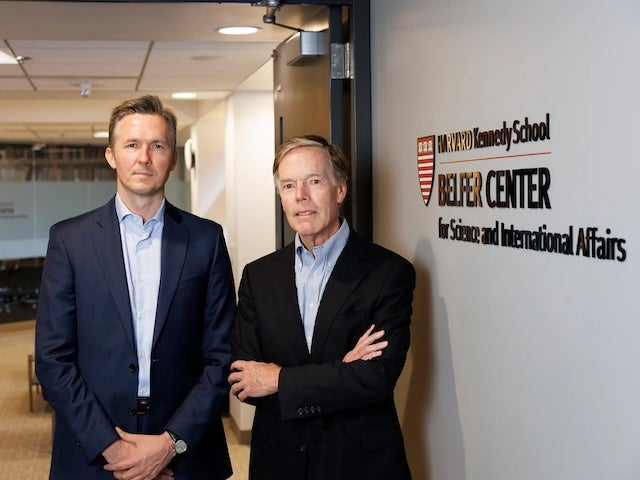
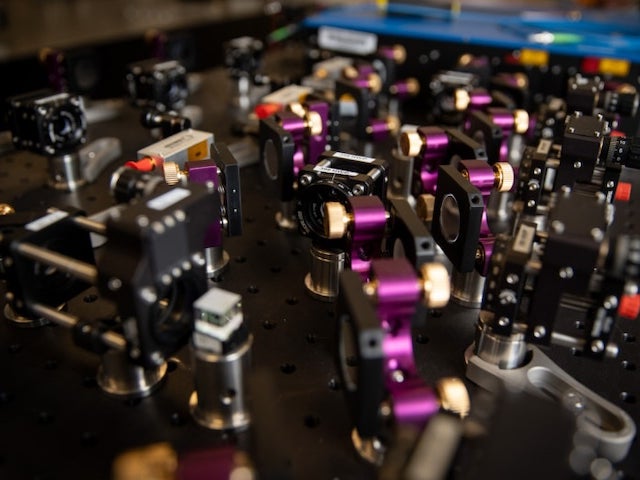
Backed by a $37 million federal grant, a new institute brings together researchers across institutions to accelerate the impact of quantum technologies.
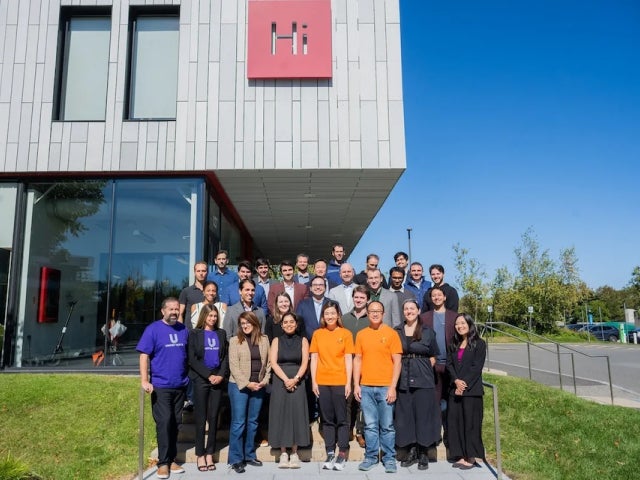
The Harvard Innovation Labs has been recognized by TIME and Statista as one of America's Best Incubators & Accelerators 2026, which ranks the top-performing startup hubs across the United States.
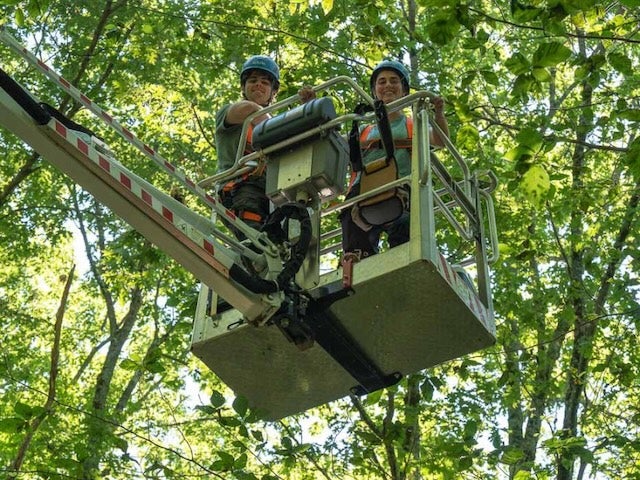
For three decades, the Harvard Forest Summer Research Program in Ecology has prepared undergraduates from around the globe for careers in the sciences.
Since 2014, Harvard and the Warrior-Scholar Project have partnered to prepare military veterans and active-duty service members for success in higher education.
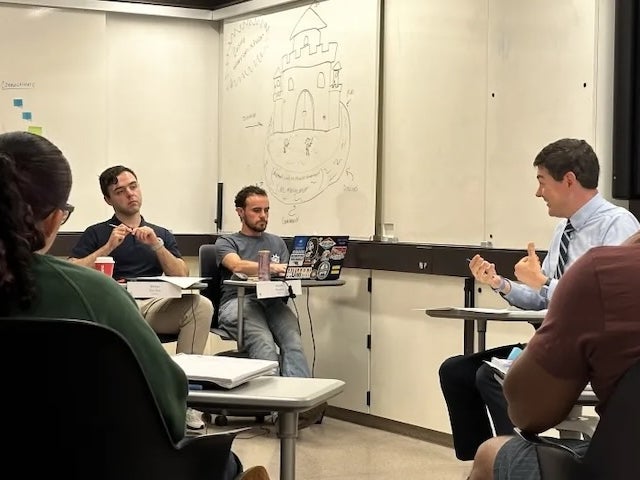
Harvard Radcliffe Institute convened scholars and leaders with a wide range of political and ideological perspectives to explore issues related to intellectual diversity in higher education.
Harvard scientists are exploring faster diagnostics, better symptom management, and promising cures for conditions that have a long-term impact on our health.