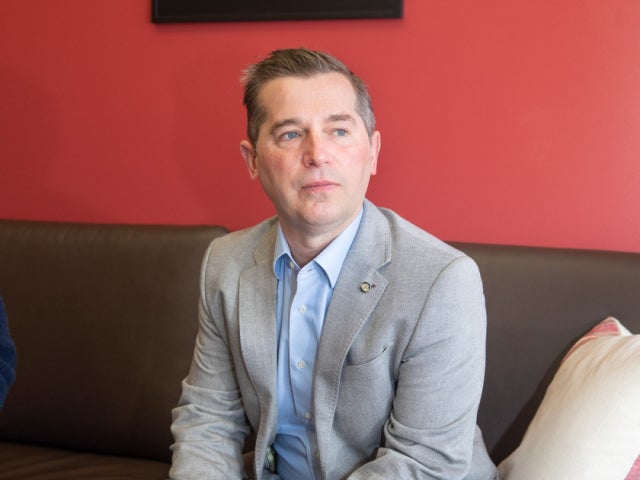
A multiyear study led by Harvard psychologist Matthew Nock forecasted most suicide attempts a week before they occurred—a marked leap beyond existing prediction models.
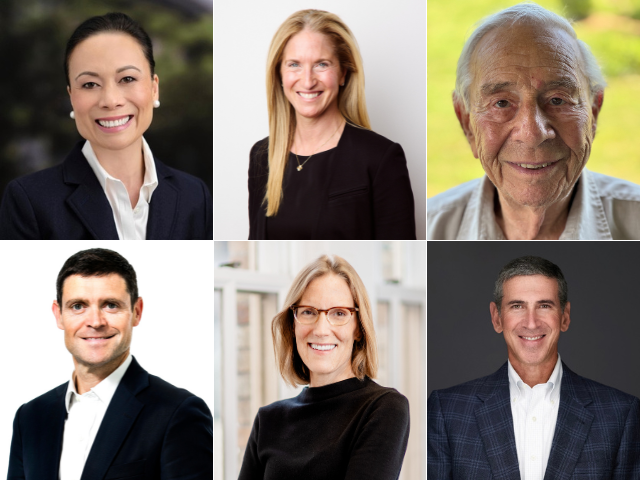
The Harvard Alumni Association (HAA) is honoring six alumni with the 2026 John P. Reardon Jr. Alumni Award in recognition of their outstanding service to the University.
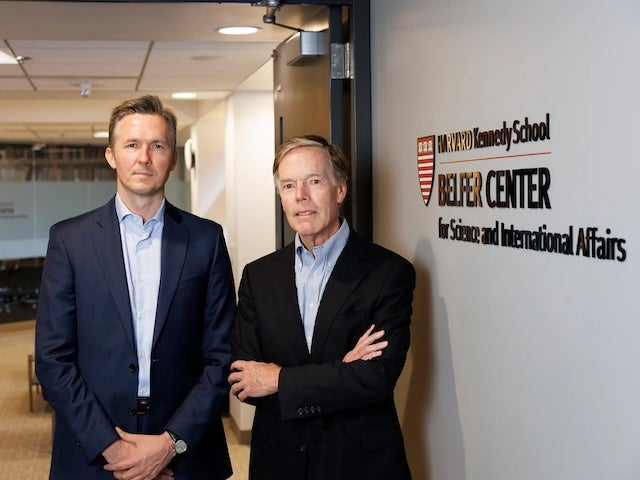
Tingley will lead the University’s efforts in pedagogical innovation, digital education, and exploring the role of technology in supporting teaching, lifelong learning, and research on campus and around the world.
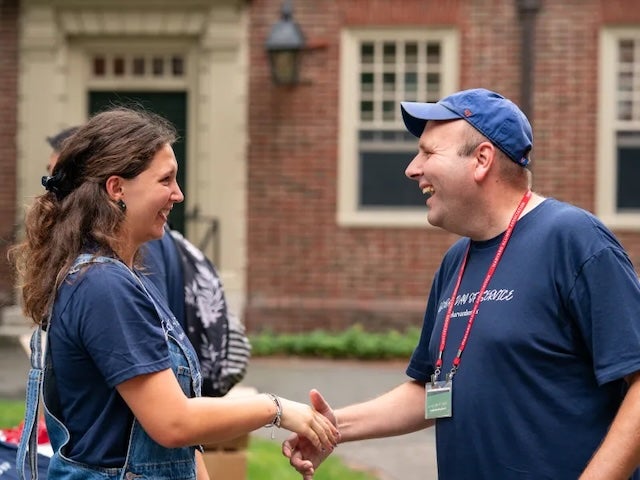
More than 1,000 students, alumni, staff, and faculty participated in Harvard's annual Global Day of Service, volunteering for over 35 nonprofit organizations.
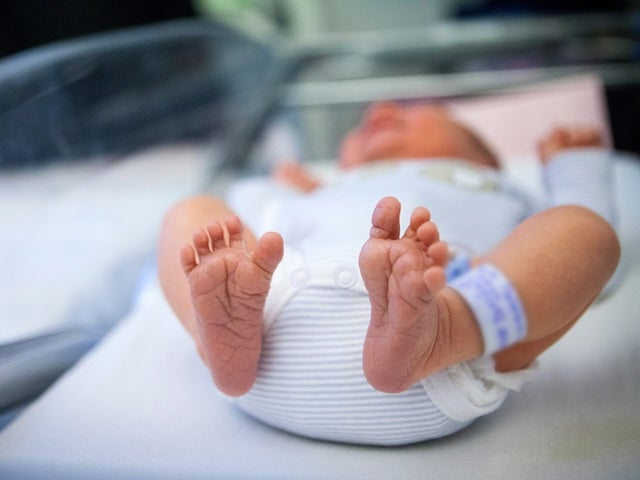
New research suggests genetic testing added to routine newborn screening could identify some babies at increased risk of developing cancer before symptoms appear.
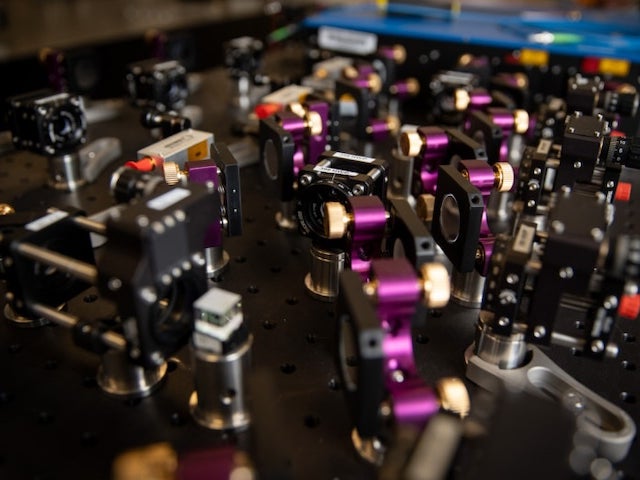
Backed by a $37 million federal grant, a new institute brings together researchers across institutions to accelerate the impact of quantum technologies.
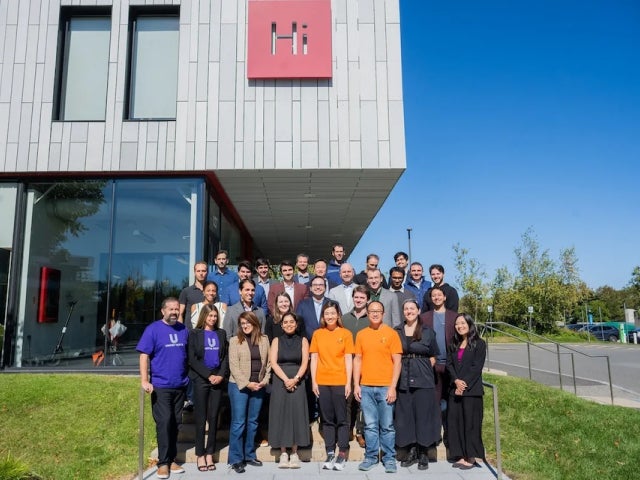
The Harvard Innovation Labs has been recognized by TIME and Statista as one of America's Best Incubators & Accelerators 2026, which ranks the top-performing startup hubs across the United States.
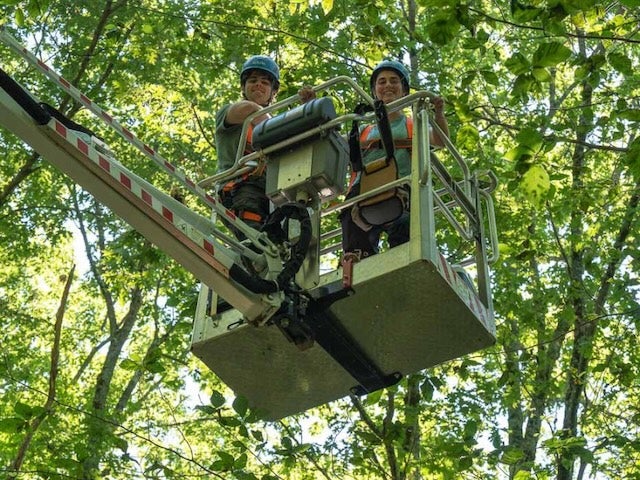
For three decades, the Harvard Forest Summer Research Program in Ecology has prepared undergraduates from around the globe for careers in the sciences.
Since 2014, Harvard and the Warrior-Scholar Project have partnered to prepare military veterans and active-duty service members for success in higher education.
Harvard Radcliffe Institute convened scholars and leaders with a wide range of political and ideological perspectives to explore issues related to intellectual diversity in higher education.
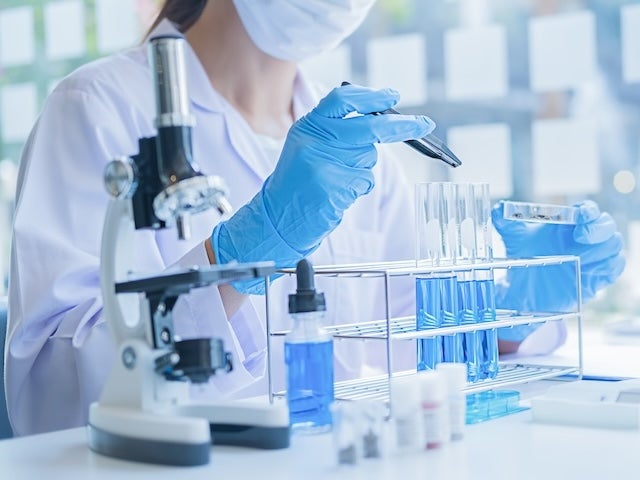
Harvard scientists are exploring faster diagnostics, better symptom management, and promising cures for conditions that have a long-term impact on our health.
Harvard bioengineers have developed a way to create customized synthetic vascular grafts in mere minutes, which could someday allow surgeons to perform time-sensitive, personalized medical treatments in the operating room.
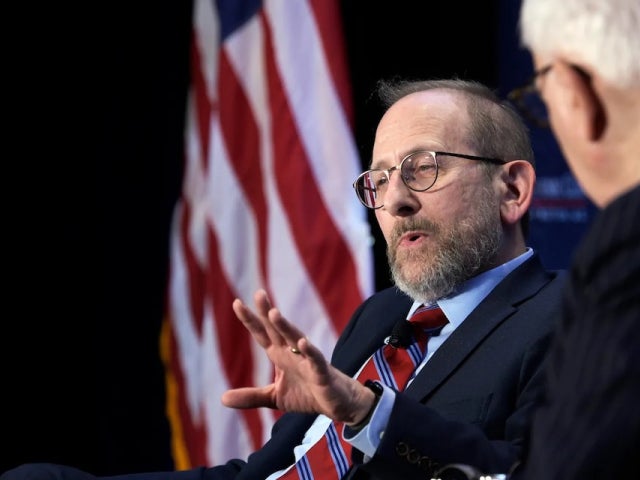
In a wide-ranging interview at The Economic Club of Washington, D.C., President Alan M. Garber discussed federal research funding and other critical issues facing universities.
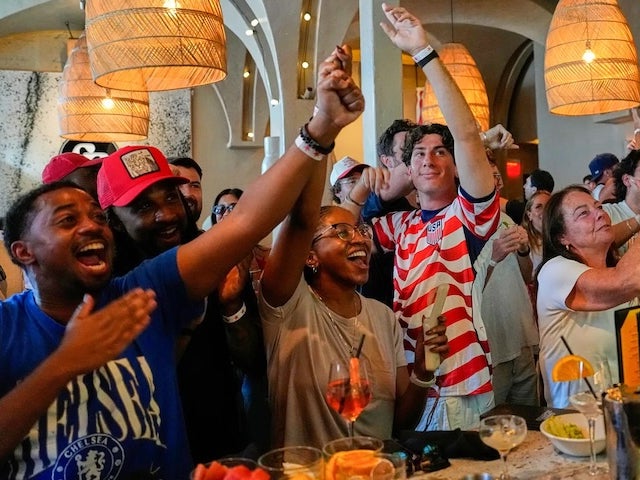
Two social scientists at Harvard Kennedy School are advancing the proposition that sports fandom, a powerful social phenomenon and force, may have a role to play in improving lives and strengthening societies.
New grants from the Star Friedman Challenge for Promising Scientific Research will support seven cutting-edge research projects led by faculty across Harvard.