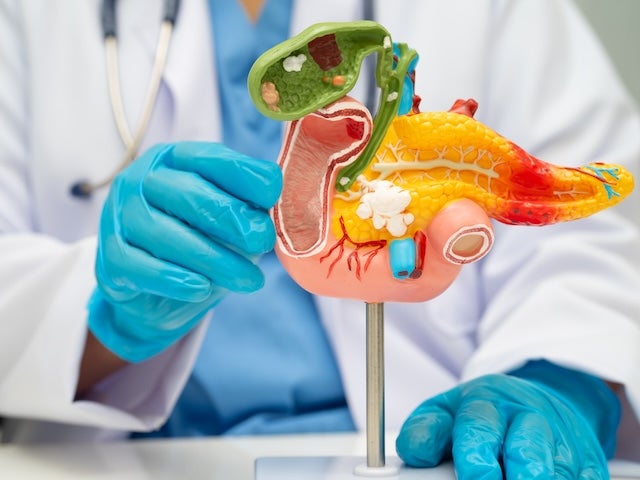
Oncologist Brian Wolpin MD ’00, MPH ’08 says that a new drug for pancreatic cancer has the potential to transform care around this difficult-to-treat disease.
Harvard Chan School researchers have launched a long-term study focused on the physical and mental health of elite women athletes, as well as their post-athletic career prospects and financial security.
A multiyear study led by Harvard psychologist Matthew Nock forecasted most suicide attempts a week before they occurred—a marked leap beyond existing prediction models.
New research suggests genetic testing added to routine newborn screening could identify some babies at increased risk of developing cancer before symptoms appear.
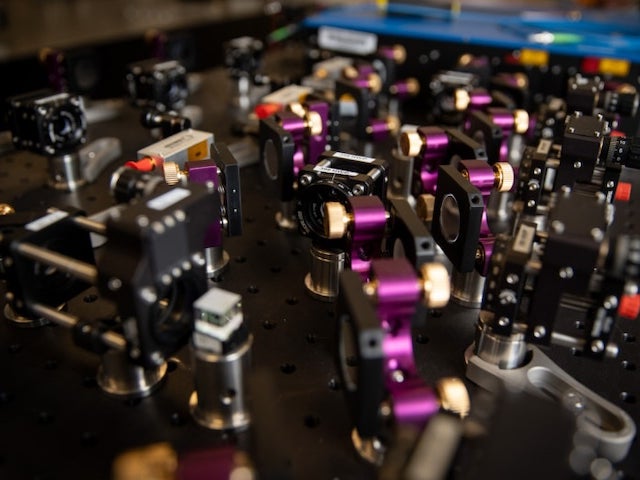
Backed by a $37 million federal grant, a new institute brings together researchers across institutions to accelerate the impact of quantum technologies.
For three decades, the Harvard Forest Summer Research Program in Ecology has prepared undergraduates from around the globe for careers in the sciences.
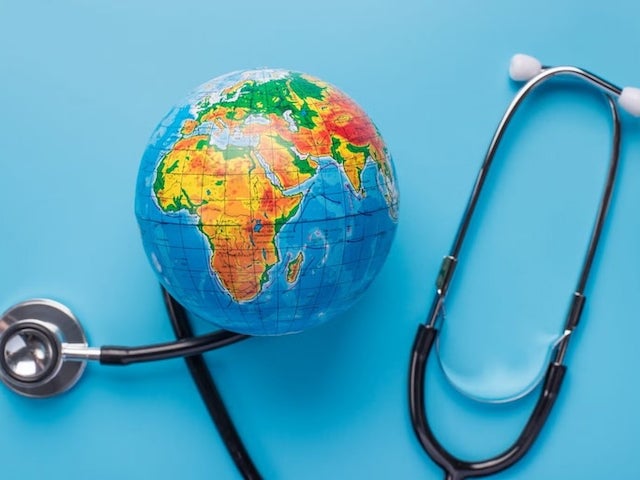
Harvard scientists are exploring faster diagnostics, better symptom management, and promising cures for conditions that have a long-term impact on our health.
Harvard bioengineers have developed a way to create customized synthetic vascular grafts in mere minutes, which could someday allow surgeons to perform time-sensitive, personalized medical treatments in the operating room.
In a wide-ranging interview at The Economic Club of Washington, D.C., President Alan M. Garber discussed federal research funding and other critical issues facing universities.