When it comes to health, Katherine “Kathy” States Burke AB ’79 likes to focus on the bigger picture—not just improving the well-being of individuals but addressing broader health problems affecting entire populations worldwide. When she and her husband, T. Robert “Bob” Burke, made a gift to create the Burke Global Health Fellowship at the Harvard Global Health Institute (HGHI) in 2009, they set out to support the creation of a vibrant network of practitioners, scientists, and change-makers—united in their drive to improve global health.
With more than 50 fellows funded to date, including three cohorts of the recently established HGHI-Salata Burke Climate and Health Fellowship, the Burkes have enabled exactly that: building a thriving community of rising scholars who work to develop local solutions for global challenges. Recognizing that limited funding opportunities often hold back talented early‑career faculty and scholars from pursuing global health research, the Burkes decided to direct their support specifically toward this group. Kathy and Bob’s ongoing support of the Burke Fellows—comprised of postdoctoral scholars, global health leaders, and Harvard junior faculty from all disciplines—is a powerful reminder that addressing global health takes a village.
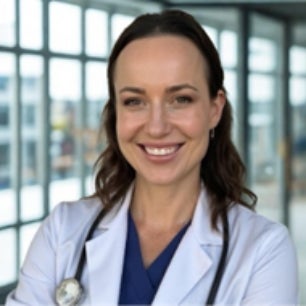
Every year, Burke Fellows dive into some of the world’s most pressing health issues, from pioneering point-of-care diagnostics in Botswana to advancing digital health policy in India. Some address infectious disease and maternal and child health, while others confront the growing threat of noninfectious diseases like cancer, or study how climate change disrupts the delivery of care. Fellows collaborate in low-resource settings, learn from local partners, and return to Harvard with new knowledge and professional connections.
“The fellows bring their experiences back to Harvard, sharing with students and the rest of their community there,” Kathy says. “There is so much we can learn from how others cope with what they are facing.”
The impact of the Burke Fellowship extends well beyond the financial support it provides to students. Fellows consistently reflect that being part of this international, interdisciplinary community propels their growth, ambition, and responsiveness to big challenges. The fellowship brings together doctors, researchers, public health practitioners, and innovators, each possessing deep expertise in their field, but also the humility to listen, learn, and collaborate. For the Burkes, it is these connections, centered around mutual understanding, that will continue to drive work in global health forward.
“The chance for fellows to work with people from such different backgrounds and to help create a space where they know and support each other has been deeply meaningful,” Kathy explains.
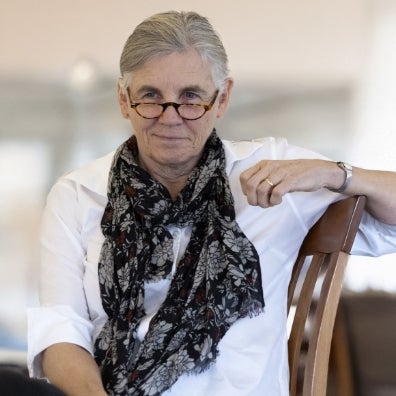
“Harvard attracts people who care deeply—not just about what they do, but what they do for the world. I know each one will go out and do great things.”
—Kathy States Burke AB ’79
In addition to participating in workshops and gathering as a cohort throughout their fellowship year, the program concludes with the Burke Fellowship Showcase, an opportunity to share the fellows’ contributions in global health with the larger Harvard community. Ongoing writing workshops, community engagement grants, and occasional large-scale gatherings of fellows past and present help sustain these ties. “As much as these scholars serve communities, they’re also building one of their own—one that will stay with them as they move into positions of leadership around the world,” Kathy notes.
Peer connections formed through symposia, workshops, and informal exchanges continue long after fellowships end, inspiring creativity, mentorship, and lifelong collaboration. Across continents, Burke alumni find that shared history opens doors: to new partnerships, new questions, or much-needed words of encouragement at a pivotal moment.
Those ripple effects are clear in the trajectories of former Burke Fellows. Many have taken on leadership roles in medicine, public health, academia, and government, citing the fellowship as a catalyst for their work and as the launchpad for enduring networks of peers and mentors. For others, what sets the Burke Fellowship apart are the relationships built along the way: between Harvard and global partners, among fellows themselves, and with the communities they serve.
For the Burkes, the future of health is about more than great ideas; it’s about great people coming together to turn those ideas into real, lasting change. And seeing how the seeds they planted through the Burke Fellowships have grown is immensely rewarding. “Bob and I feel that this is one of our most successful giving experiences. Harvard attracts people who care deeply—not just about what they do, but what they do for the world,” Kathy says. “I know each one will go out and do great things.”